
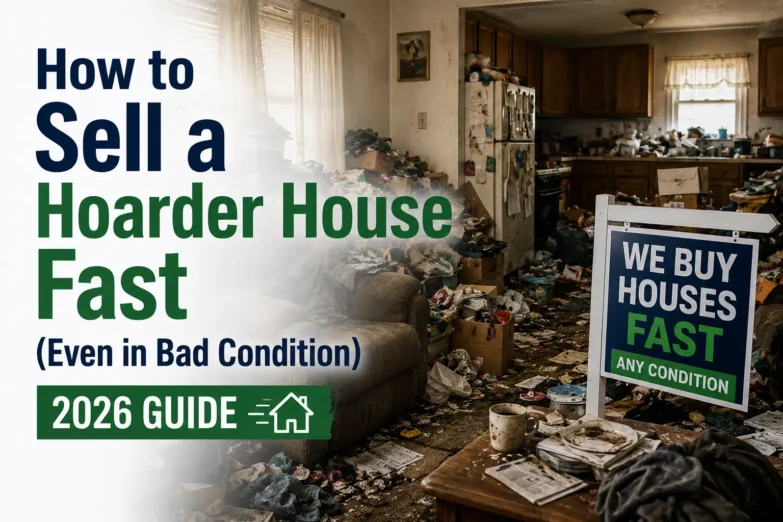
Selling a hoarder house feels impossible when you’re standing inside one – but it’s not. People sell hoarder homes across Wisconsin every month, often without cleaning them out at all. This guide covers what’s actually involved, what you do and don’t need to do before listing, and the realistic paths to getting it sold.
What Counts as a Hoarder House?
A hoarders house is a property where accumulated belongings have gone past clutter and into something that affects the home’s livability or condition. That might mean rooms you can’t walk through, blocked exits, damaged flooring or walls underneath the contents, pest issues, mold, or code violations triggered by the volume of items inside.
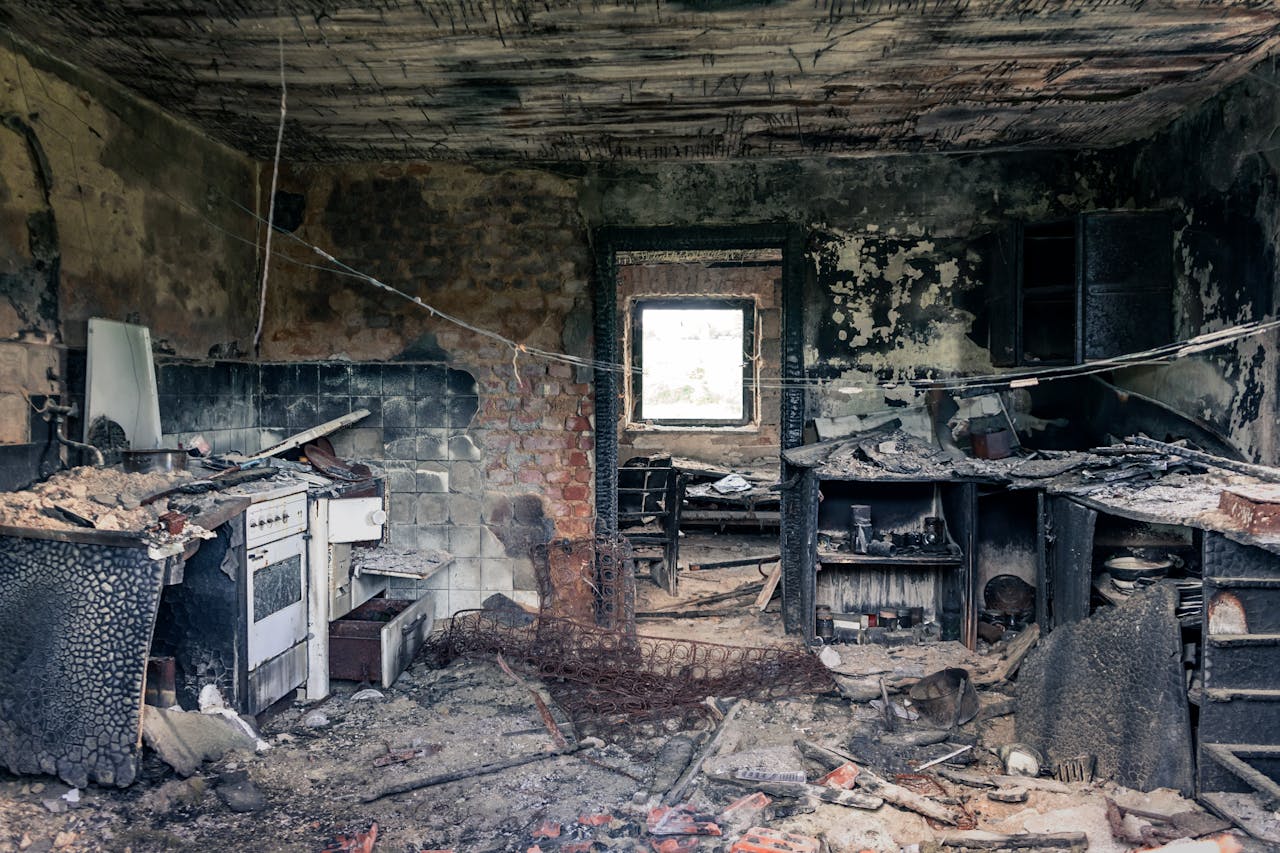
Some hoarder homes are structurally fine once cleared. Others have years of hidden damage – water leaks, rotting subfloors, pet damage, or electrical issues that nobody could see under the piles. Both are sellable. The path just looks different depending on which one you’re dealing with.
Can You Actually Sell a Hoarder House?
Yes. Hoarder houses sell in every market, in every condition. The buyer pool is smaller than for a standard listing – most traditional buyers can’t get past the photos, let alone the inspection – but there’s a well-established market of investors, flippers, and cash buyers who specifically look for these properties.
What won’t work is pretending the condition isn’t there. Full disclosure is required by Wisconsin law, and trying to list a hoarder house as a regular home wastes everyone’s time. The houses that sell cleanly are the ones priced and marketed honestly for what they are.
Do You Need to Clean the House Before Selling?
This is the question most people ask first, and the answer surprises them: no, you don’t. At least not if you’re selling to a cash buyer or investor.
Full cleanouts for hoarder homes typically run $5,000–$25,000 depending on volume, hazardous materials, and disposal fees. In severe cases they run higher. If you’re planning to list traditionally, some level of cleanout is usually necessary just to allow showings and photography. But if you’re selling as-is to a buyer who specializes in distressed properties, cleaning it out first is often wasted money – you’re paying thousands to haul away belongings that the buyer was going to clear regardless.
Pro tip: Before you spend a dollar on cleanout, get at least one cash offer on the property as-is. That offer tells you what the house is actually worth in its current state. Then you can decide whether spending $15,000 on a cleanout would realistically increase the sale price by more than $15,000 – because if it won’t, you’re just donating money to a junk removal company.
The one thing you should do before any sale: remove personal documents, photographs, sentimental items, and anything with financial or identity-sensitive information. Everything else can stay.
Your Options for Selling a Hoarder House
List Traditionally
Possible, but difficult. You’ll need a full cleanout, deep cleaning, likely some repairs, and an agent who’s willing to market a distressed property honestly. Most traditional buyers are financing their purchase, and mortgage lenders often refuse to finance homes with significant condition issues – meaning even if you find a buyer, the deal can fall apart at underwriting. Timeline: 3–6 months in most cases, with real risk of deals collapsing.
Sell to an Investor or House Flipper
Investors buy hoarder homes regularly because they have the capital and the systems to handle cleanout and renovation themselves. You’ll get below market value, but you skip the cleanout cost, skip the repairs, and skip the financing uncertainty. Timelines range from a few weeks to a couple months depending on the buyer.
Sell to a Direct Cash Buyer
The fastest route. Cash buyers like Fair Deal Home Buyers purchase hoarder homes as-is with all contents inside – meaning you don’t clean, don’t repair, and don’t sort through belongings. You walk away with a check, and everything you don’t want to take goes with the house. Closings typically happen in 1–3 weeks.
Auction
Less common, but an option for severely distressed properties or estates that want a defined timeline. Auction prices vary widely and you give up most control over the final number.
Steps to Selling a Hoarder House
- Walk through and be honest with yourself about what you’re looking at. Take a real look at the property – safely – and get past the piles. What’s actually underneath? Is the structure sound, or are you looking at water damage, rotted floors, pest issues, or something worse? The volume of stuff inside is rarely the thing that drops the value the most. It’s what the stuff has been hiding for years.
- Grab what you’d actually miss. Don’t try to sort through everything – you’ll burn yourself out in a weekend and quit. Walk in with a short list: documents, photos, anything irreplaceable, anything with real sentimental weight. Get those out, and let the rest go. You don’t have to sort a lifetime of belongings to sell the house.
- Get a number before you spend a dime. This is the one most people get wrong. They drop $15,000 on a cleanout before ever finding out what the house is worth as-is. Call a cash buyer first, get an offer on paper, and then run the math. If cleanout and repairs would cost more than they’d add to the sale price, you already have your answer.
- Be straight with buyers. However you end up selling – agent, investor, cash buyer – tell them what they’re walking into. It’s tempting to soft-pedal the condition, but it catches up to you every time. Either the inspection catches it, the lender refuses the loan, or you’re dealing with a lawsuit six months after closing. Honest deals close. Deals built on vague descriptions don’t.
- Pick someone who’s going to close. Hoarder houses fall out of contract more than regular ones, usually because the buyer got cold feet or the financing fell apart. Ask the buyer directly: how many of these have you actually closed? A buyer with a track record on distressed properties is worth more than a slightly higher offer from someone who’s going to back out in two weeks.
Pro tip: If the hoarder house is part of an estate or inheritance, factor the emotional weight into your timeline. Most people underestimate how long it takes to clear a parent’s or relative’s home – and every month you carry the property costs real money in taxes, insurance, and utilities. Moving quickly isn’t giving up; it’s often the healthier choice.
When a Cash Sale Makes the Most Sense
- The contents are overwhelming and you don’t have time or capacity to sort them
- There are health or safety issues – mold, pests, biohazards – that make the home unsafe to spend time in
- The property is inherited and the heirs live out of state
- Cleanout estimates are coming in at $10,000+ and eating into any potential sale upside
- You’ve already listed traditionally and buyers keep backing out after seeing the inside
Selling a Hoarder House in Wisconsin?
Selling a hoarder house isn’t easy – not logistically, not financially, and especially not emotionally. Whether you’re dealing with your own property, a family member’s home, or an inherited estate, the weight of what the house represents often matters more than the sale itself. There’s no clean version of this process, and anyone who tells you otherwise hasn’t actually been through it.
What we hope this guide did is show you that selling is genuinely possible, no matter what condition the property is in. You don’t have to clean it out. You don’t have to fix what’s broken. You don’t have to do this the traditional way if that route doesn’t fit your situation. Between listing, selling to an investor, or going with a direct cash buyer, there’s an option that works for almost every scenario – the right one depends on your timeline, your budget, and how much of this you want to carry yourself.
Once you’ve weighed your options and decided selling is the right move, Fair Deal Home Buyers is here when you’re ready. Visit our website or call 414-409-8251 to get a no-obligation cash offer on your property – as-is, with everything inside.
Frequently Asked Questions
Can you sell a hoarder house without cleaning it out?
Yes. Cash buyers and investors purchase hoarder homes with contents included regularly. Cleaning it out first is only necessary if you’re listing traditionally.
How much does it cost to clean out a hoarder house?
Typical cleanouts run $5,000–$25,000 depending on volume, hazardous materials, and disposal fees. Extreme cases can cost more. Always get a cash offer as-is before paying for cleanout.
How much is a hoarder house worth?
Usually 50–70% of what the home would be worth in clean, repaired condition – though it depends heavily on structural condition underneath the contents. A property that’s only surface-cluttered is worth more than one with years of hidden damage.
Will a mortgage lender finance a hoarder house?
Usually no. Mortgage lenders typically refuse to finance homes with significant condition issues, which is why most hoarder houses sell to cash buyers.
Do I have to disclose that it was a hoarder house?
Yes. Wisconsin law requires sellers to disclose known material defects, and significant condition issues caused by hoarding fall under that requirement.
How fast can I sell a hoarder house?
A cash sale can close in 1–3 weeks in most cases. Traditional listings take 3–6 months if they sell at all.
Can I sell an inherited hoarder house?
Yes, once probate has progressed far enough for you to have legal authority to sell. Inherited hoarder homes are actually one of the most common situations cash buyers handle.


